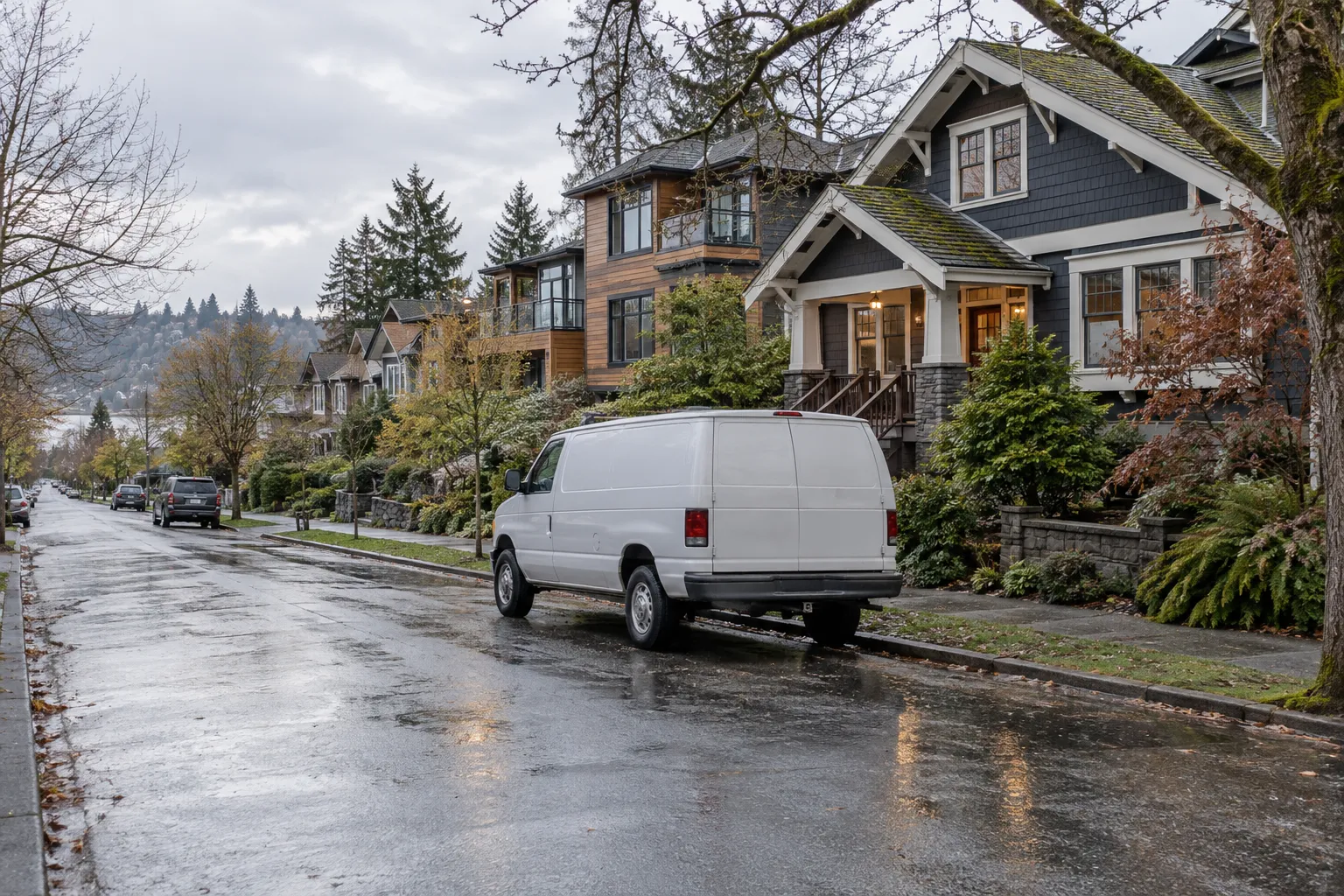
Need ac repair in Snoqualmie?
Not sure what is wrong with your AC or furnace? Request a callback or send a request. A local provider in our network can talk it through with you.
No obligationA broken air conditioner can feel like a big, confusing problem, especially if you've never had one fail before. Take a breath. Most AC trouble comes from a small list of causes, and a local provider can usually find the cause during one visit.
Josetips Heating & Air is a referral service. We don't do the repair ourselves. You tell us what's going on, and we connect you with an independent provider in our network who serves the Snoqualmie area. The provider inspects your system, explains what they find in plain words, and gives you a written quote before any work begins. You decide what happens next. There is no obligation to hire anyone. This page walks you through what to check, what a visit looks like, and which questions to ask.
First, know this: it's usually fixable, and you don't have to figure it out alone. If your home is hot and the air from the vents feels warm, start with one step at a time.
If someone in the house is elderly, very young, or unwell, or if the heat is serious, treat it as urgent. Request a callback to check provider availability and ask about emergency AC repair.
Make sure it's set to "cool" and the target is a few degrees below the room temperature. If the screen is blank, the batteries may be dead. A new pair is a cheap, quick test.
Find your electrical panel and look for a tripped breaker labeled for the AC or furnace. Flip it fully off, then on once. If it trips again, leave it alone. That is a sign something is wrong.
A clogged filter chokes airflow and can make the system struggle. Slide it out and hold it to the light. If you can't see through it, swap in a clean one of the same size.
Turn the system off if you smell burning, hear loud grinding, or see water pooling near the unit. Running it in that state can turn a small repair into a big one.
If the vents blow warm air, or barely blow at all, something in the system has stopped doing its job. Causes range from a dirty filter to a failing part.
Rattling, squealing, or clicking sounds mean something is loose or wearing out. A musty smell may point to damp ductwork. A burning smell means switch it off.
Ice on the pipes or a puddle by the indoor unit often means a clogged drain line or low airflow. Turn the AC off and let the ice melt before a provider arrives.
You might think a cooler, rainy region goes easy on an air conditioner. Not quite. The system sits unused for months, and that can hide problems until the first warm spell.
Moss and damp can build up around the outdoor unit. Windstorms blow leaves and branches against it. In homes with crawl spaces, ducts can collect moisture or get nudged loose. A yearly HVAC service visit before the warm season catches many of these early.
Note when the trouble started and what you've noticed. Clear a path to the indoor and outdoor units. If you have pets, plan where they'll wait.
The provider checks the thermostat, power, filter, and airflow. Then they look at the outdoor unit, the refrigerant lines, and the drain. Good providers explain each finding in plain words.
You'll get a written quote before any repair begins. Ask questions. It's your home.
Most visits come down to a handful of fixes:
Some are quick. Others take a part order and a second visit.
This is the question most first-timers dread. A simple rule helps: if the repair is small and the system is fairly young, repair usually makes sense.
If the system is old, breaks down often, or needs a costly part, ask the provider to compare repair and replacement side by side. Ask for both in writing. Then take your time to decide.
Some policies may cover sudden damage, so check your policy. Providers can often help document damage for a claim.
You have school runs, work calls, and dinner to think about. Tell the provider about your schedule up front. Ask for an arrival window, and ask how long the repair is likely to take.
Many providers can respond quickly, but availability varies. Request a callback to check provider availability, then plan the rest of your day around it.
The provider checks airflow, power, the thermostat, and the outdoor unit to find out why your home isn't cooling.
You hear what failed and what it means, in plain words.
Before any repair begins, you get a quote on paper so you can decide calmly.
Many providers handle capacitors, fan motors, drain clogs, and thermostats, depending on what your system needs.
Prices change with your system, the part, and the provider. These are typical U.S. ranges to help you plan, not a quote. Always ask for a written estimate before agreeing to any work.
| Repair item | Typical range | Notes |
|---|---|---|
| Diagnostic visit | $75 – $200 | Often applied toward the repair if you proceed |
| Thermostat replacement | $100 – $350 | Depends on basic or smart model |
| Capacitor or contactor | $120 – $450 | Common reason a unit won't start |
| Drain line clearing | $100 – $350 | Prevents water leaks and shutoffs |
| Fan motor replacement | $300 – $900 | Outdoor or indoor motor |
| Refrigerant leak repair and recharge | $250 – $1,600 | Varies with leak location and type |
Request a callback or send the request form and describe the problem, even if you're not sure of the cause.
We pass your request to an independent provider in our network who serves your area.
The provider looks at your system and explains the problem in plain words.
You get a written quote and choose whether to go ahead.
We explain things the way a neighbor would, in plain words, so a broken AC feels less overwhelming.
You're connected with independent providers who serve homes in your part of the area.
Request an estimate and decide on your own time. Nothing is required of you.
Clear steps and honest ranges, so you know what to expect before anyone arrives.
Not sure what is wrong with your AC or furnace? Request a callback or send a request. A local provider in our network can talk it through with you.
No obligationCommon causes include a dirty air filter, a low refrigerant level, a failing capacitor, or a dirty outdoor coil. Check the filter first. If the air stays warm, turn the system off and ask a provider to inspect it.
Most repairs fall between about $150 and $1,500 in the U.S., depending on the part and the labor involved. Prices vary by job, so ask for a written quote before approving any work.
If the unit is fairly young and the fix is small, repair often makes sense. If it's old, breaks down often, or needs a costly part, ask the provider to compare both options in writing.
Not sure what is wrong with your AC or furnace? Request a callback or send a request. A local provider in our network can talk it through with you.
No obligation